The Timeless Wisdom of Mevlana Jalaluddin Rumi
Few spiritual figures in history have touched as many hearts across cultures and centuries as Mevlana Jalaluddin Rumi. Known simply as “Rumi” in many parts of the world, he was not only a poet but also a philosopher, Islamic scholar, and spiritual guide whose teachings continue to inspire millions today.
Who Was Mevlana Rumi?
Born in 1207 in Balkh, a city located in present-day Afghanistan, Rumi later migrated with his family due to the Mongol invasions. Eventually, they settled in Konya, which was then part of the Seljuk Empire and is now one of Türkiye’s most spiritually significant cities.
Rumi spent most of his life in Konya, where he became a respected Islamic scholar and teacher. However, everything changed when he met the wandering mystic Shams of Tabriz. Their deep spiritual friendship transformed Rumi from a traditional scholar into one of history’s greatest mystical poets.
The Power of Love and Spirituality
At the center of Rumi’s philosophy lies divine love — love for God, humanity, nature, and the soul itself. His poetry speaks about unity, tolerance, compassion, and the endless journey toward spiritual enlightenment.
One of his most famous quotes beautifully reflects his universal message:
“Come, come, whoever you are…”
Rumi believed that love transcends religion, language, and nationality. This universal approach is one reason why his words remain relevant even in the modern world.
The Whirling Dervishes and the Mevlevi Order
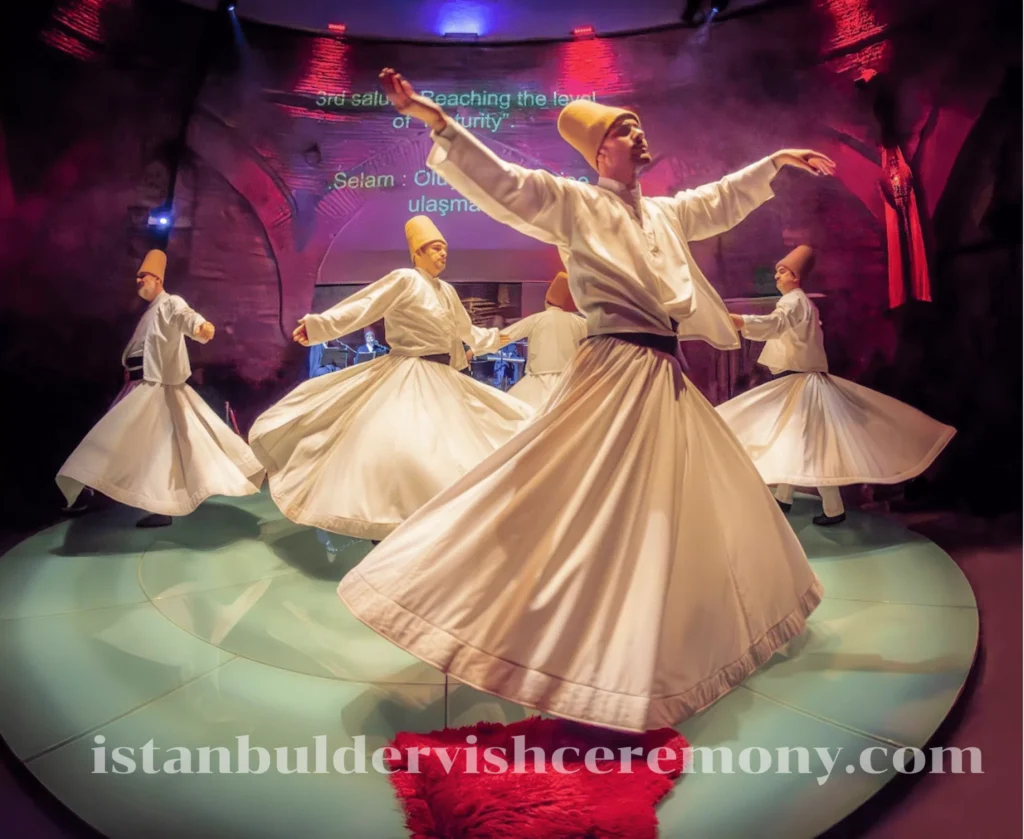
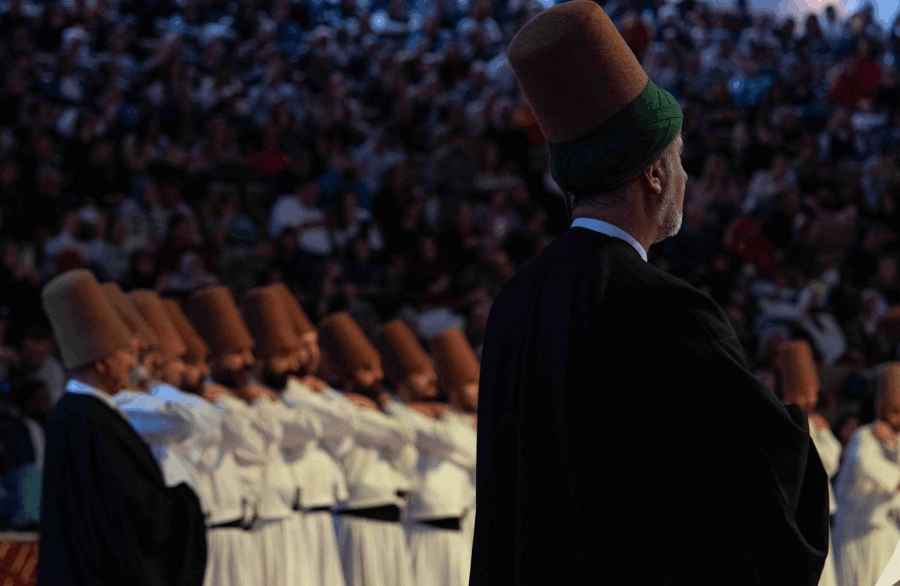
After Rumi’s death in 1273, his followers established the Mevlevi Order, also known as the Order of the Whirling Dervishes.
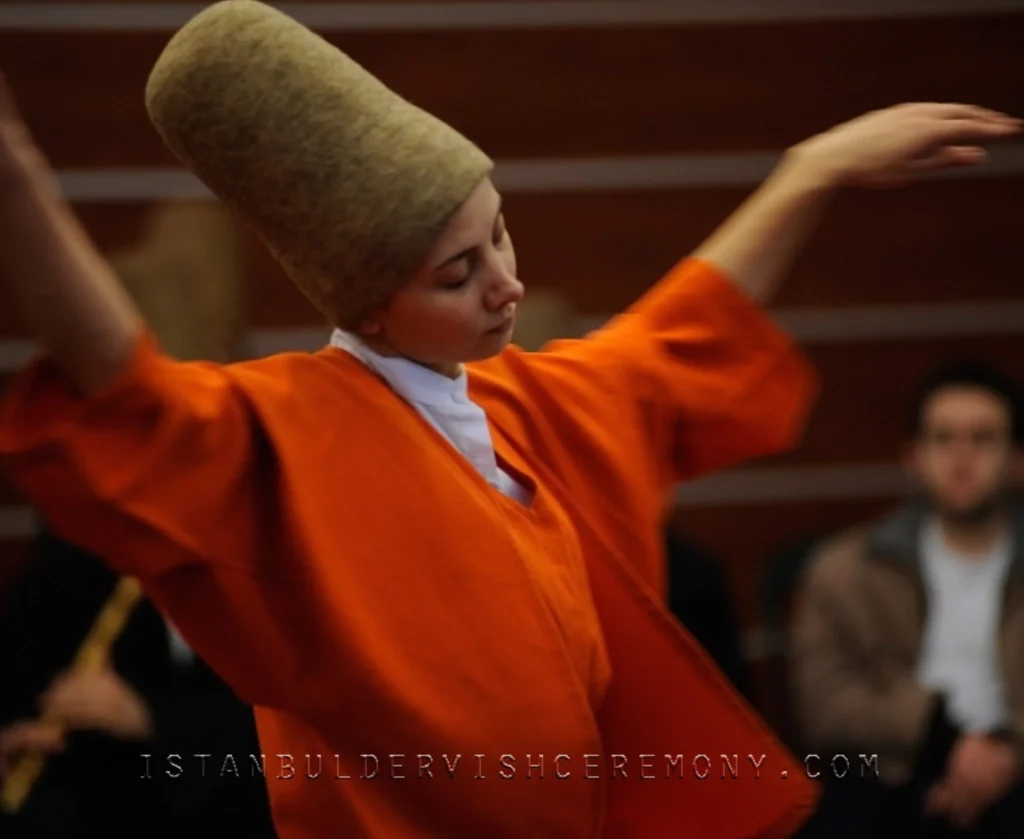
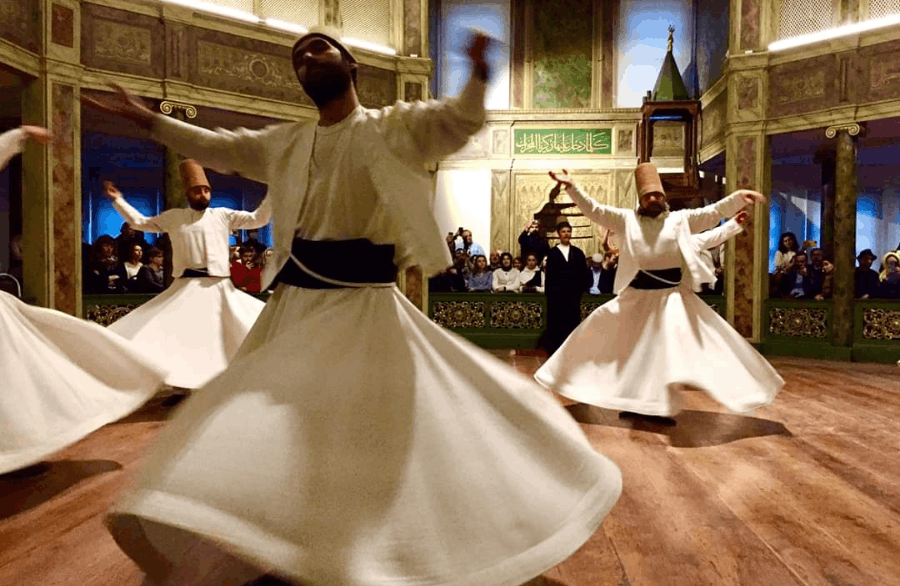
The famous Whirling Dervish Ceremony, called the Sema, symbolizes a spiritual journey toward divine truth. The graceful spinning movement represents harmony with the universe and spiritual ascension. Today, visitors from around the world travel to Konya and Istanbul to witness these mesmerizing ceremonies.
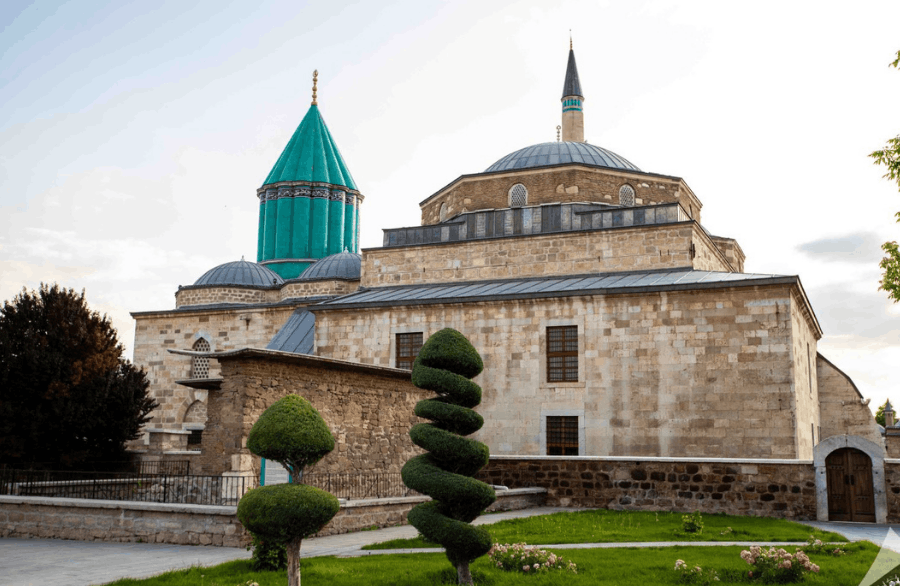
One of the most important places connected to Rumi is the Mevlana Museum, where his tomb is located. The museum attracts millions of visitors each year who come to experience the peaceful atmosphere and spiritual legacy of the great mystic.
Rumi’s Literary Legacy
Rumi’s masterpiece, the Masnavi, is considered one of the greatest works of mystical literature ever written. Often referred to as the “Quran in Persian,” it contains stories, moral lessons, and spiritual reflections that guide readers toward self-discovery and inner peace.
Another famous work, the Divan-e Shams-e Tabrizi, was dedicated to his beloved companion Shams and expresses intense spiritual passion and longing.
Why Rumi Still Matters Today
In a world often divided conflict and misunderstanding, Rumi’s message of love, acceptance, and unity feels more meaningful than ever. His teachings encourage people to look beyond differences and connect through kindness and compassion.
Whether through poetry, music, meditation, or the Whirling Dervish ceremonies, Rumi’s spirit continues to inspire people from every corner of the globe.
As Rumi once said:
“Yesterday I was clever, so I wanted to change the world. Today I am wise, so I am changing myself.”
His timeless wisdom reminds us that the journey toward peace begins within ourselves.