The Timeless History of Galata Mevlevihanesi
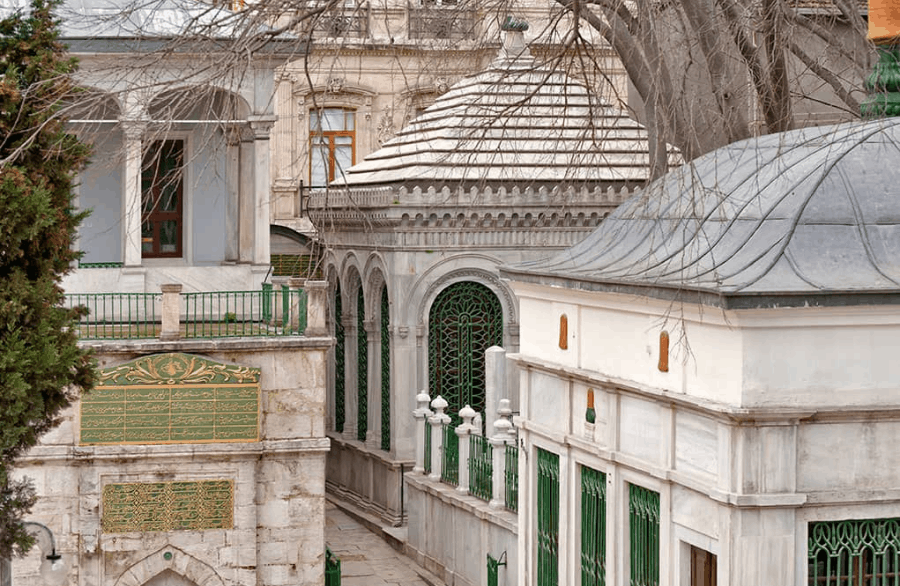
Hidden among the historic streets of Beyoğlu, the Galata Mevlevihanesi stands as one of Istanbul’s most spiritual and culturally significant landmarks. Known as the oldest Mevlevi lodge in the city, this remarkable place has witnessed centuries of Ottoman history, Sufi traditions, music, poetry, and mystical ceremonies. Today, it continues to attract visitors from around the world who wish to discover the deeper soul of Istanbul.
The Foundation of the Galata Mevlevihanesi
The Galata Mevlevihanesi was founded in 1491 during the reign of Ottoman Sultan Bayezid II. It was established İskender Pasha, the governor of Galata, as a center for the followers of the Mevlevi Order. The Mevlevi Order was inspired the teachings of the great Persian poet and mystic Jalal ad-Din Muhammad Rumi, widely known as Mevlana.
The lodge quickly became one of the most important Mevlevi centers in the Ottoman Empire. It served not only as a religious institution but also as a place for education, art, literature, and music. Many famous poets, musicians, and scholars were trained within its walls.
A Spiritual Center of the Ottoman Empire
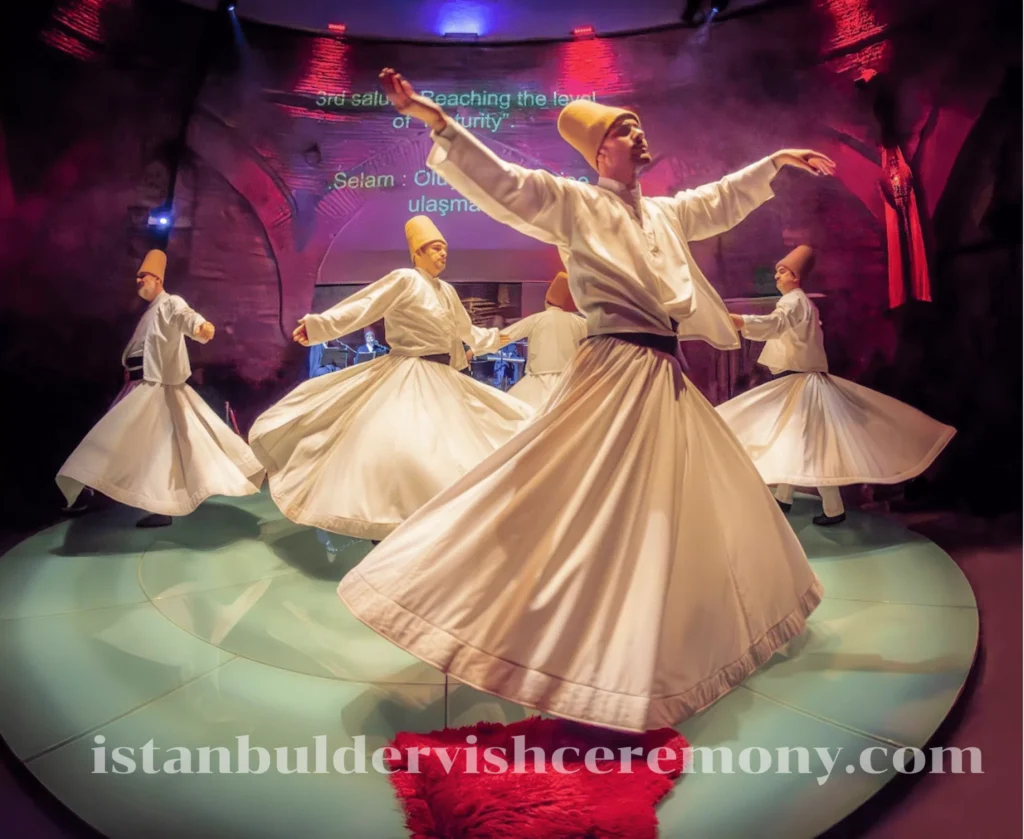
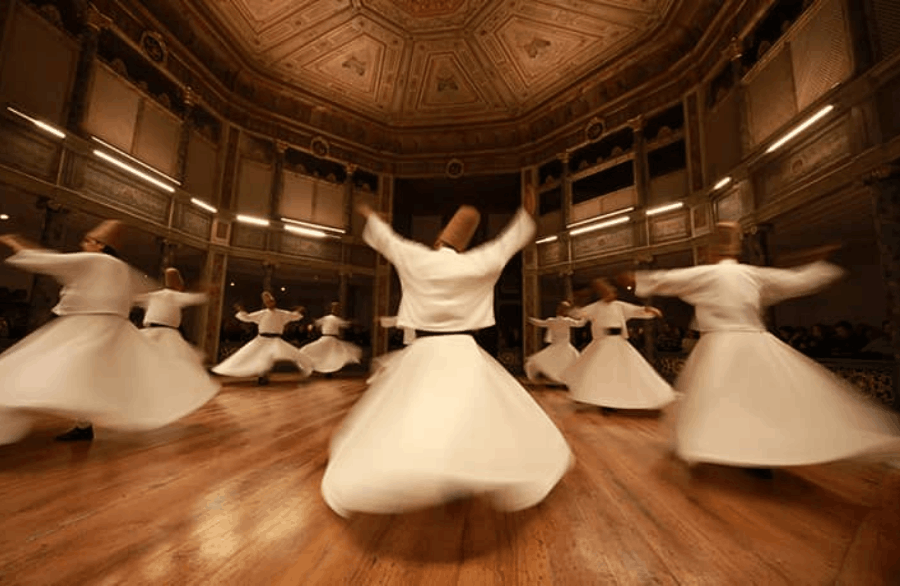
For centuries, the Galata Mevlevihanesi played a vital role in Ottoman spiritual life. The Mevlevi dervishes practiced meditation, music, and the famous Sema ceremony — the mystical whirling ritual symbolizing the spiritual journey toward divine love.
The architecture of the lodge reflected the elegance of Ottoman design. The complex originally included:
- A semahane (ceremony hall)
- Dervish cells
- Llibrary
- A fountain
- A cemetery
- Residential quarters for sheikhs and dervishes
Throughout its history, the building was damaged fires and earthquakes several times, leading to multiple restorations. Despite these challenges, the spirit of the Mevlevihane remained alive.
The Whirling Dervish Tradition
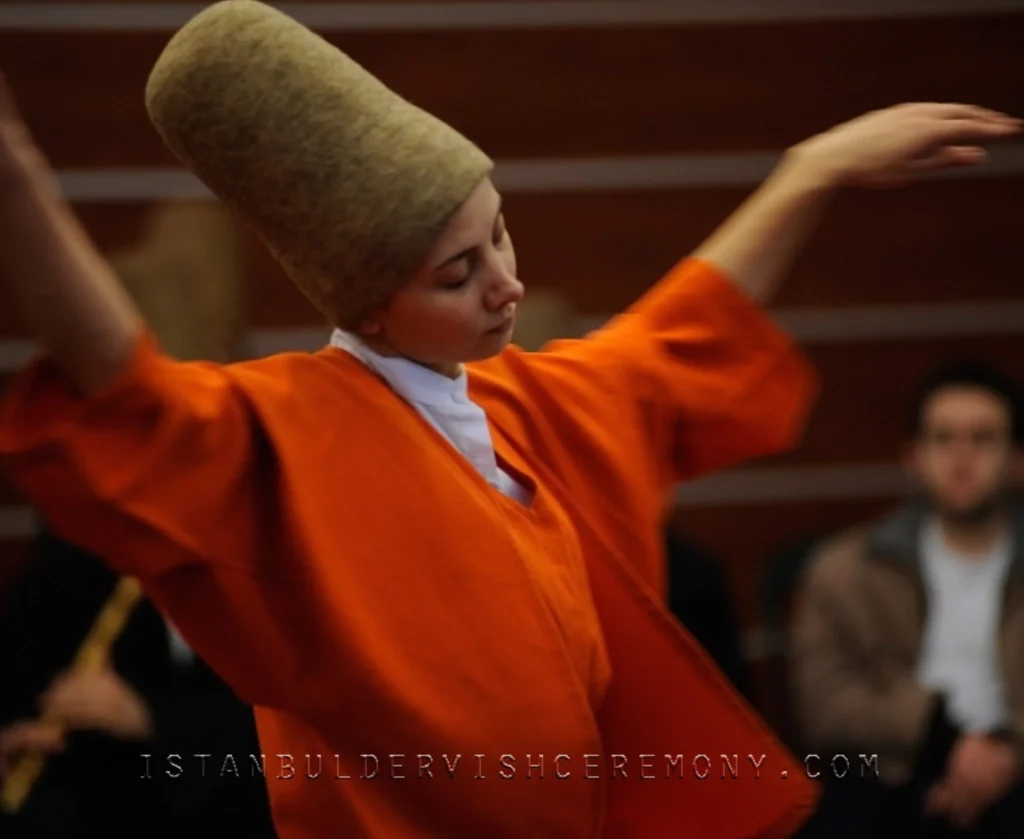
One of the most fascinating aspects of the Galata Mevlevihanesi is its connection to the Whirling Dervish ceremony. The Sema ceremony combines music, prayer, poetry, and symbolic movement. Every motion during the ritual carries spiritual meaning.
The white robes symbolize purity, while the tall felt hats represent the ego’s tombstone. As the dervishes whirl gracefully, they seek spiritual perfection and unity with God.
Even today, the ceremony continues to captivate audiences with its peaceful atmosphere and deep philosophical meaning. It is considered one of the most authentic cultural experiences in Istanbul.
Closure and Transformation into a Museum
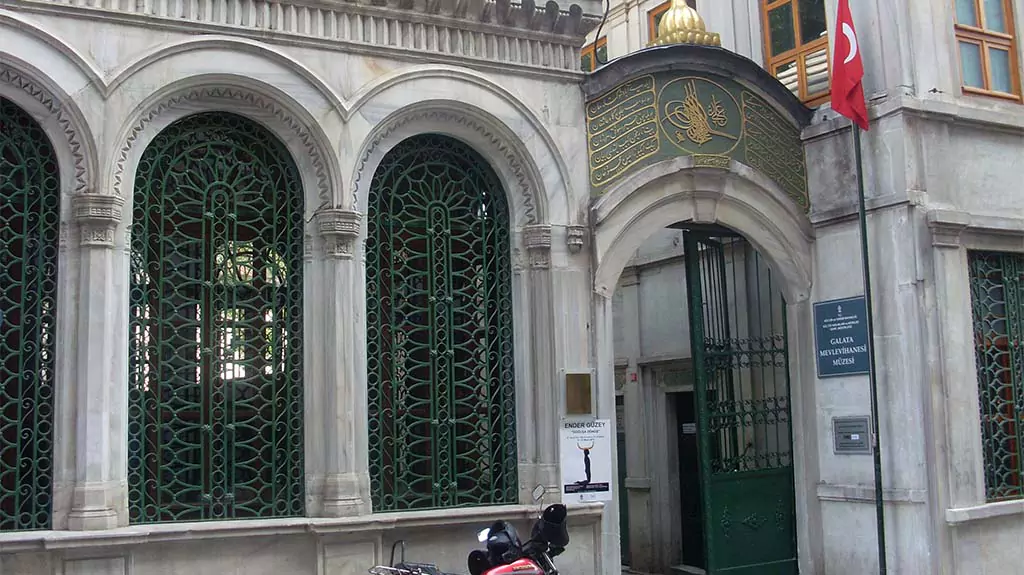
In 1925, following the establishment of the Turkish Republic, all dervish lodges and religious orders were officially closed. Like many Mevlevi lodges across Turkey, the Galata Mevlevihanesi ceased its religious activities.
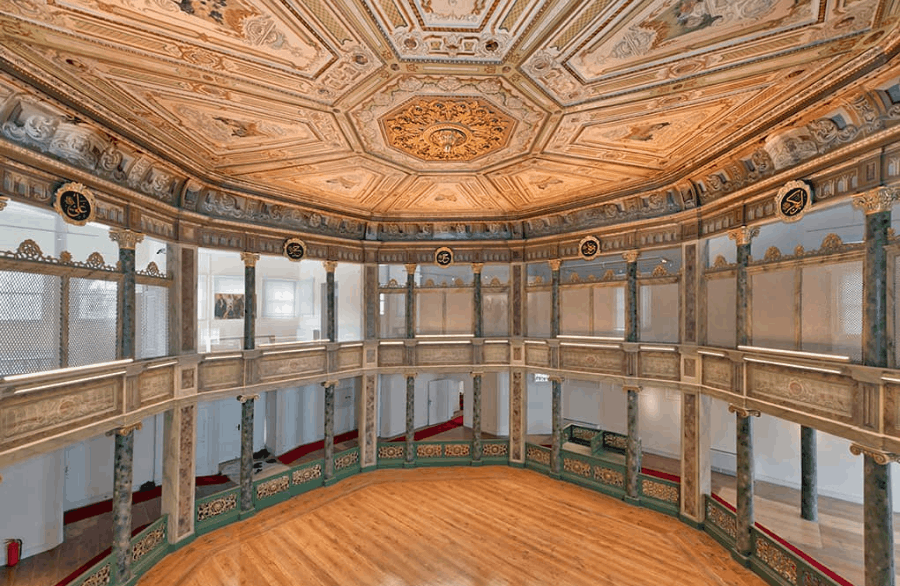
Years later, the building underwent careful restoration and reopened as a museum. Today, visitors can explore the beautifully preserved semahane, historical artifacts, musical instruments, manuscripts, and the tombs of important Mevlevi figures.
The museum offers a unique opportunity to understand the philosophy of the Mevlevi Order and the spiritual legacy of Mevlana.
Galata Mevlevihanesi Today
Today, the Galata Mevlevihanesi remains one of Istanbul’s hidden treasures. Located near the lively streets of Galata and Istiklal Avenue, it provides a peaceful escape from the city’s modern energy.
Visitors often describe the atmosphere as calm, mystical, and deeply inspiring. The sound of traditional Turkish music echoing through the historic halls creates an unforgettable experience.
For travelers interested in Ottoman history, Sufism, spirituality, or Turkish culture, the Galata Mevlevihanesi is a destination that reveals a different side of Istanbul — one filled with silence, reflection, and timeless beauty.
The history of the Galata Mevlevihanesi is more than the story of a building. It is the story of centuries of devotion, art, spirituality, and cultural heritage. As one of the oldest Mevlevi lodges in the world, it continues to preserve the teachings of love, tolerance, and inner peace inspired Mevlana Rumi.
A visit to this sacred place is not only a journey into Ottoman history but also a journey into the heart of spiritual Istanbul.